Christine’s cIRCULAR PIZZA Workshop
Good Practice Workshops for companies & groups
In this hands-on workshop, participants discover how to turn surplus or leftover ingredients into delicious pizzas while learning about food waste reduction, regional value creation, and circular economy principles. Perfect as team building or a playful short training session for employees. Vegan-friendly.
The workshop can also be conducted as a sustainability good-practice session for apprentices, providing hands-on learning and inspiration for integrating circular (bio-) economy principles into their future profession.
Outline
Arrival of participants, welcome & short introductions
Participants are introduced to the concept and objectives of the workshop.
Capacity Building: Food waste & the regional circular (bio-)economy strategy
- Interactive session on circular bioeconomy principles and the regional context.
- Discussion of regional Good Practices and potential applications.
Presentation of all pizza ingredients with explanations
- Sustainability, local sourcing, and the connection to circular economy practices are highlighted.
- Participants are invited to co-create ideas for ingredient use and alternative applications.
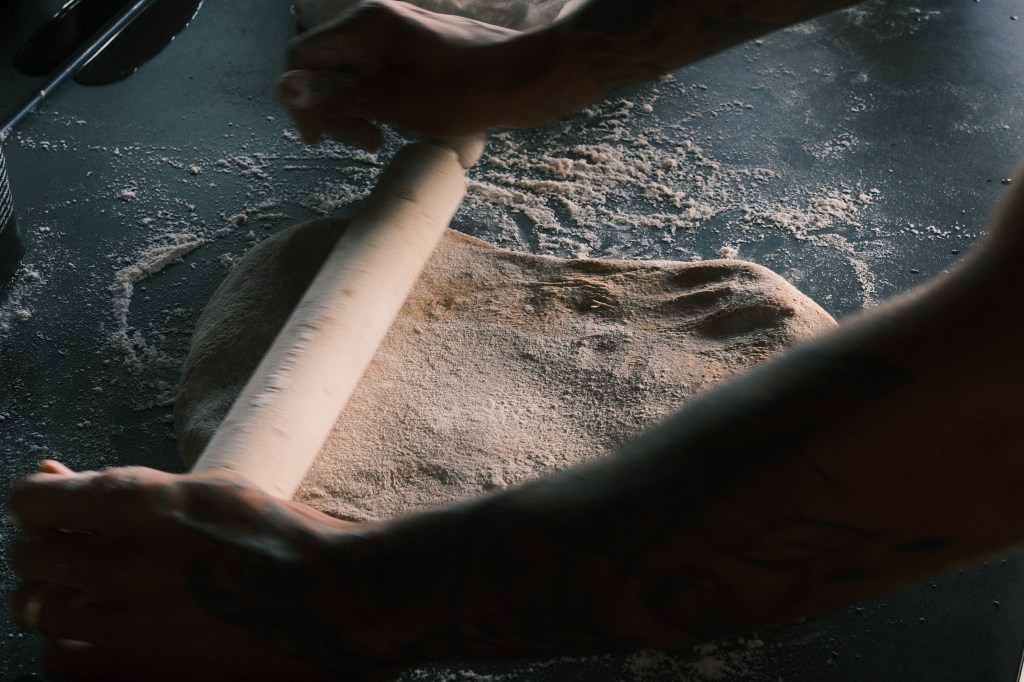
Joint preparation of pizza dough & toppings – creative, regional, sustainable
- Participants collaborate hands-on, experimenting with recipes and leftover valorization.
- Emphasis on co-creation and practical learning, fostering skills and knowledge transfer.
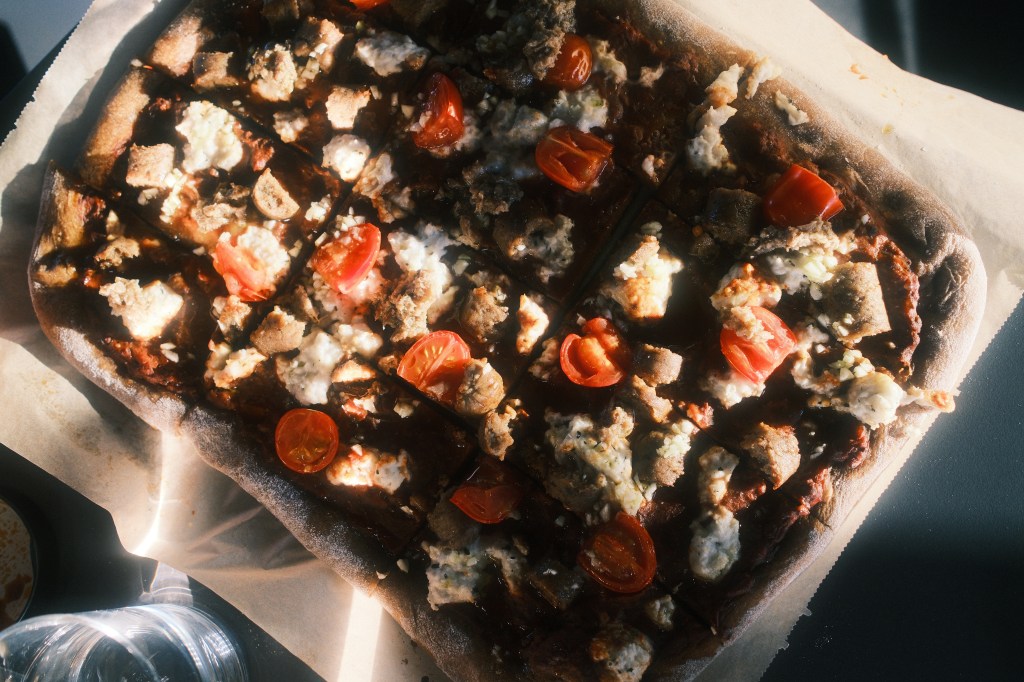
Hands-on baking and enjoying the pizzas fresh from the oven
Closing round: “What will you do differently in the future?”
- Emphasis on applying insights to personal or professional contexts, reinforcing capacity building.
- Participants share how the experience has changed their thinking.
The workshop outline will be adapted to the needs and preferences of each group, ensuring that the content and activities align with the participants’ goals and the specific context of the session.
Facts
- Number of participants: min. 10, max. 20 people (2 groups and 2 instructors for 10+ participants)
- Duration: approx. 3.5 – 4 hours
- Language: English or German
- Flexible pricing: either per participant or flat fee
- Venue rental fee separately charged by venue
About the facilitator – DI Christine Bertl
“With years of experience in EU research projects, food waste reduction, and community engagement, I design interactive workshops that make circular economy principles tangible, enjoyable, and relevant to everyday life. My approach blends regional sourcing, hands-on learning, and innovative reuse ideas, inspiring participants to rethink how they value and use resources.”
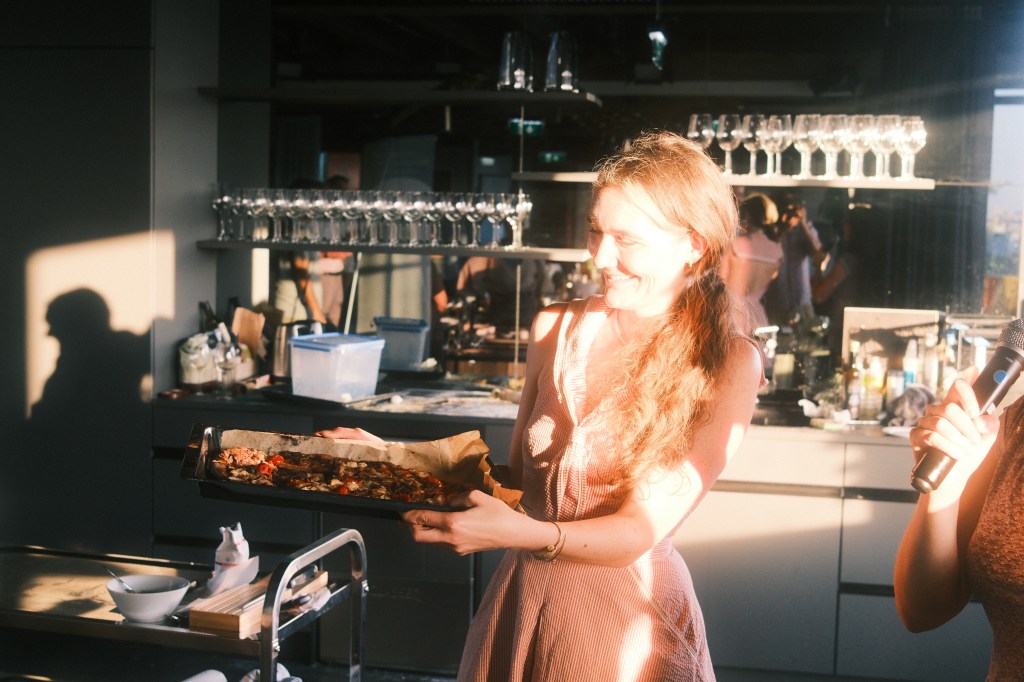
Circular Pizza Workshop at Climate Lab Vienna
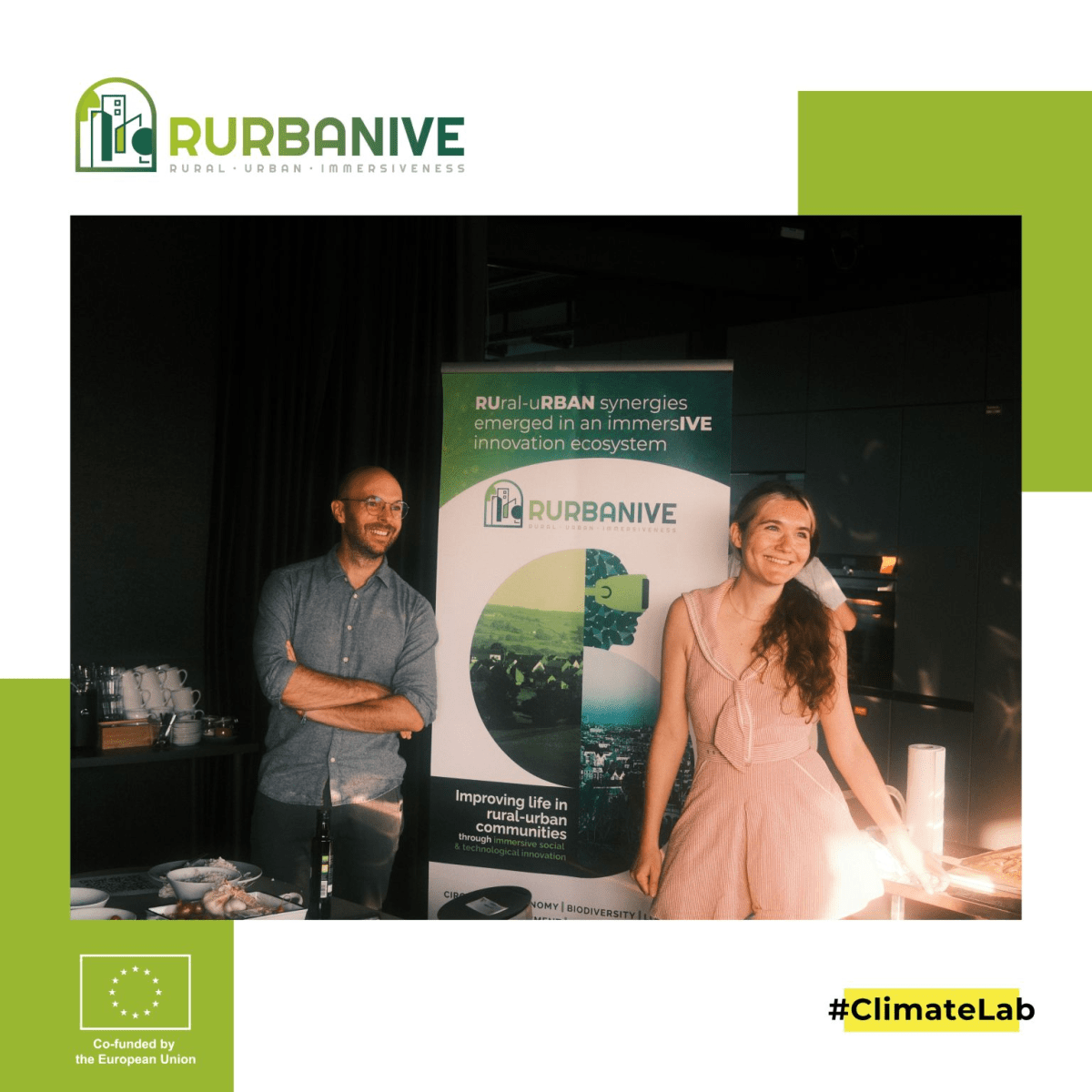
I offer Circular Pizza Workshops on request, bringing the principles of the circular bioeconomy to life through regional ingredients and creative cooking – turning surplus and locally sourced products into something both delicious and educational. On 11 August, I hosted such a workshop at Climate Lab together with alchemia-nova as a dissemination workshop for the…

About Me
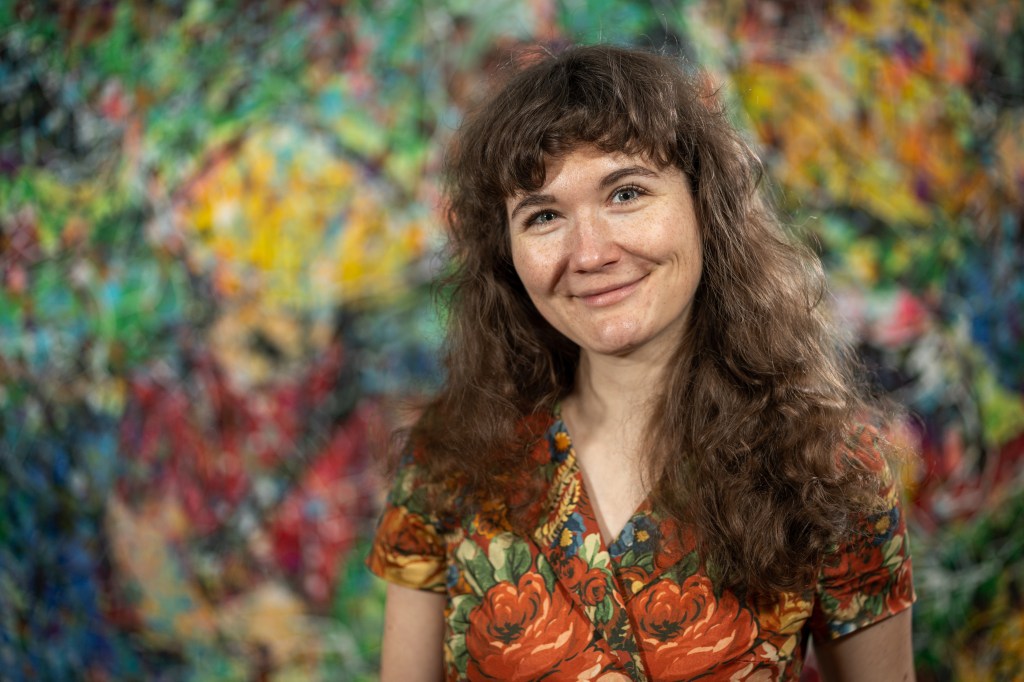
Christine bertl
I have extensive experience in innovation & technology management and international cooperation, with a strong focus on EU-funded research projects and the circular bioeconomy. I’ve held leading roles in projects such as RURBANIVE, FUTURAL, SYMBIO, Inspire Europe, and BECBA, managing complex schedules, deliverables, stakeholder engagement, and co-creating workshops.
I work as a Circular Bioeconomy Scientist on residual material valorization, circular design, and circular business models, creating synergies across projects to maximize social and environmental impact.
I actively build networks and partnerships, speak at international events, and co-develop teaching modules on Circular Bioeconomy e.g. at Technikum Wien, combining academic, applied, and policy perspectives.
In the context of the Circular Pizza Workshop, I apply this expertise to translate circular economy principles into tangible, hands-on experiences, making e.g. SDG 12.3 – the reduction of food waste – directly accessible to participants.
 Christine's Circular Pizza Brunch